In December 2020, two-year-old Awaab Ishak died after prolonged exposure to mould in his family’s social housing flat in Rochdale (BBC, 2023). His father, Faisal Abdullah, reported the issue to the landlord, Rochdale Boroughwide Housing (RBH). Despite repeated attempts, no action was taken. The Housing Ombudsman later found RBH to be “dismissive” and “unsympathetic” in addressing the complaint.
In response, Awaab’s Law was introduced. It requires landlords to investigate and repair dangerous damp and mould within strict deadlines. Starting in October 2025, social landlords will be legally bound to address mould and damp within set timeframes. There are also plans to extend these rules to private landlords and housing associations.
In 2023, the English Housing Survey discovered 7% of social rented homes in England had damp issues, and 4% had Category 1 hazards. The latter is the most dangerous under the Housing Health and Safety Rating System (HHSRS). As such, there is a blatant urgency for landlords across all sectors to prepare for these changes.
Protect your tenant’s health ahead of the deadlines. Contact our mould treatment experts and ensure your properties meet the new commercial damp proofing regulations.
What Awaab’s Law Requires Landlords to Do
Starting in October 2025, social landlords must meet strict deadlines to investigate and fix dangerous damp and mould.
The key requirements include:
- Investigate any report of damp or mould that presents a significant risk to health within 10 working days.
- Provide written findings to the tenant within three working days of the inspection.
- Begin repair work within five working days of the inspection.
- Complete emergency hazard repairs, including severe damp or mould, as soon as possible and within 24 hours.
- Where delays are unavoidable, begin repairs within 12 weeks and give a valid written justification.
The Law Will Be Implemented in Phases
- 2025: Damp and mould hazards addressed to fixed timescales. All emergency repairs are to be completed within 24 hours.
- 2026: Expanded to cover hazards such as:
- Excess cold
- Excess heat
- Fire safety risks
- Electrical hazards
- Structural collapse
- 2027: Extended to all other HHSRS hazards, but not overcrowding.
Failure to meet these requirements can lead to legal action, with tenants able to enforce the deadlines in court. The initial Law applies to social landlords. The Government aims to extend these rules to the private rented sector by consulting on the Renters’ Rights Bill. As mould prevention specialists, we recommend that private and commercial landlords align with these standards now. This will help them avoid future compliance issues and ensure tenant safety.
Three Compliance Priorities for Landlords
Awaab’s Law is part of a larger obligation to ensure homes are safe for residents and meet the Decent Homes Standard. Landlords are already required to deal with dangerous conditions, even before the new deadlines begin.
That said, landlords preparing for Awaab’s Law should prioritise:
1. Prompt Inspection & Documentation
Log every report of damp or mould immediately and arrange a qualified inspection. Professional survey reports outline hazards, recommend necessary work, and include timelines. These details are essential for proving compliance. Our Damp Services offer photographic proof and thorough written reports to support this process.
2. Certified Remediation Work
Hire accredited contractors who follow industry standards for damp, mould, and structural repairs. This ensures treatments are durable, safe, and verifiable. Prokil surveyors are qualified by the Property Care Association (PCA). Our team follow best practices for damp proofing, mould treatment, and timber preservation.
3. Ongoing Maintenance & Prevention
Awaab’s Law sets repair deadlines, but prevention remains the most cost-effective safeguard. Routine property inspections, effective moisture management, and adequate ventilation help prevent recurrence. Installing or maintaining systems like ventilation units helps control humidity. This is especially important in kitchens, bathrooms, and lofts where condensation often happens.
How to Spot & Prevent Mould Before It Becomes a Compliance Issue
Detecting damp and mould early lets landlords take quick action. This helps save on repairs and protects the health of tenants. As discussed above, landlords must ensure homes are fit for habitation. This includes addressing damp and mould quickly under the Decent Homes Standard.
Recognising Warning Signs
Mould may be hidden, so landlords should remain vigilant for early indicators:
- Persistent musty odours that linger, especially in enclosed rooms.
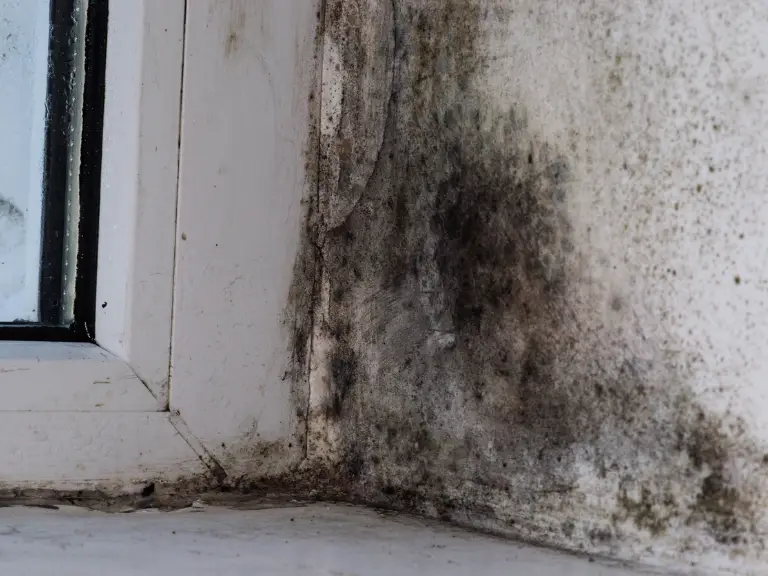
- Discolouration or spotting on walls, ceilings, or skirting boards.
- Increased condensation on windows or other cold surfaces, especially in the morning or evening.
- Peeling or bubbling paint and plaster are signs of water damage.
- Visible mould growth on walls, ceilings, or carpets, particularly in damp areas.
These signs point to excess moisture in the property. If ignored, it can turn into a serious health risk.
Preventive Measures
By taking proactive steps, landlords can avoid mould build-up and ensure their properties are safe and compliant:
- Address water leaks immediately to prevent moisture accumulation in walls, ceilings, and floors.
- Maintain a functioning damp proof course to block rising moisture from the ground.
- Ensure adequate ventilation in all areas, particularly in kitchens, bathrooms, and loft spaces. Our ventilation systems manage humidity and air quality, reducing the risk of mould growth.
- Install moisture-absorbing materials, like breathable paint or anti-mould treatments. This will help to reduce dampness in affected areas.
- Regularly inspect hidden areas, like behind furniture or in unused rooms, where mould can grow unnoticed.
Addressing these issues early can stop them from turning into compliance violations under Awaab’s Law. This also helps keep tenants healthy and avoids the high costs and risks of non-compliance.
Take Action Before the Legal Deadline
Awaab’s Law introduces new responsibilities for landlords. From October 2025, social landlords must meet strict deadlines to fix damp and mould issues. With plans to extend these regulations to private and commercial landlords, compliance is now crucial. Early planning boosts tenant health, protects properties, and minimises legal and financial risks.
Using Prokil’s damp and mould experts ensures thorough property inspections. Our specialists offer detailed reports and act early, keeping you ahead of deadlines. You can count on us for immediate help and long-term prevention. PCA and TrustMark certified, our team ensure compliance with industry standards. With our expertise, you can be confident your properties meet Awaab’s Law and current housing standards.
Call 0800 048 9488 or book a survey today to ensure your properties are compliant and ready for the regulatory changes ahead.